
 简体中文
简体中文 English
 عربى
عربى



Understanding the characteristics and uses of sueding machines matters when you are choosing equipment for a textile finishing plant. A sueding machine is not simply a brushing device; it is a controlled abrasion system that raises a fine pile on the surface of woven, knitted, and nonwoven materials. Finishing plants use it to soften the hand feel of cotton, create a peach-skin effect on polyester, reduce the shine of synthetic fabrics, and prepare synthetic leather for a suede-like appearance. The machine works by passing fabric over rotating abrasive rollers, and the way those rollers are arranged, the type of abrasive, and the level of process control determine whether the result is a light brushing or a deep sanded finish.
What Is a Sueding Machine and How Does It Work?
Sueding machines use mechanical abrasion to alter the surface structure of a fabric. The fabric is fed under controlled tension over one or more rollers covered with abrasive material. As the abrasive contacts the yarn surface, it cuts and lifts short microfibers, producing a soft, directional nap. This is different from brushing, where an existing pile is simply raised; sueding actually creates a new pile by breaking the surface structure.
The amount of material removed depends on several variables. Abrasive type and grit determine the aggressiveness of the cut. Roller speed sets the rate at which the abrasive contacts the fabric. Fabric speed, pressure, and the number of passes control the depth and uniformity of the finish. A well-built machine allows the operator to adjust each variable independently, which is essential when the same line processes cotton, polyester, denim, and synthetic leather.
Core Characteristics of Sueding Machines
Abrasive Roller Configurations
Rollers are the heart of a sueding machine. Common abrasive materials include emery, silicon carbide, carbon fiber, ceramic fiber, and diamond emery. Each behaves differently. Ceramic fiber rollers are often used for knitted fabrics because they produce a short, even pile without overloading the fabric. Carbon fiber rollers are stiffer and more aggressive, making them suitable for woven goods. Diamond emery is common for synthetic leather and coated substrates because it cuts consistently without clogging.
Tension and Feed Control
Sueding is a contact process, so the tension of the fabric at the roller determines how uniformly the abrasive contacts the surface. Knitted fabric must be processed under low tension to avoid stretching, distorted loops, and width loss. Woven fabric can tolerate higher tension, which sometimes helps create a more even nap across the width. Planetary configurations reduce tension by using multiple small rollers that distribute the force around the fabric. This is why they are preferred for stretch-prone materials.
Dust and Fiber Extraction
Sueding generates fine dust and short fibers. If not removed, that dust settles back onto the fabric and can cause uneven surface effects or re-deposition between passes. Most industrial machines have built-in extraction hoods around the rollers. Dedicated automated dust removal systems can collect the fibers and keep the work area clean. This also reduces cleaning downtime and protects downstream equipment.
Dry and Wet Processing
Dry sueding is the standard method for cotton, polyester, and most woven fabrics. Wet sueding is used when the process needs to minimize heat, reduce fiber breakage, or produce a more controlled surface on synthetic leather and certain polyester fabrics. High-speed dry-wet models give a finishing plant the flexibility to switch between processes without changing machines.
Common Sueding Machine Types and Their Applications
Modern sueding machines fall into three broad configurations. Each offers a different balance of productivity, surface control, and fabric safety.
| Configuration | Key Characteristic | Typical Applications |
|---|---|---|
| Vertical combined | Fabric runs vertically; multiple rollers can act on both faces | Cotton, woven blends, polyester suiting |
| Horizontal combined | Fabric runs horizontally; easier operator access and inspection | Denim, heavy woven fabrics, moleskin |
| Planetary carbon/ceramic | Small rollers rotate around the fabric; low tension | Knitted fabrics, lightweight and stretch-prone materials |
Vertical Combined Sueding Machine
Vertical combined machines arrange the abrasive rollers so that the fabric moves through a vertical plane. This layout allows multiple rollers to work on both sides of the material in a compact footprint. It is a common choice for woven cotton, polyester, and blends because it produces a consistent peach-skin finish across the full width. Operators can adjust roller contact and fabric speed to control pile depth without distorting the fabric web.
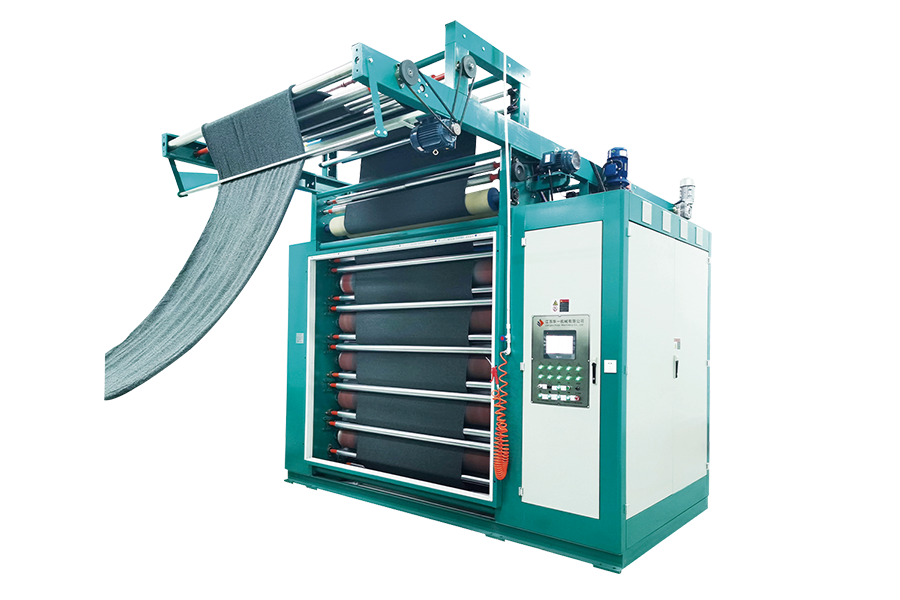 Vertical Combined Sueding Machine for Compact Multi-Side SandingThis vertical-layout machine suits woven cotton, polyester, and blends, offering compact dual-sided sanding with versatile abrasive rollers for a consistent peach-skin finish.View Product →
Horizontal Combined Sueding Machine
Horizontal machines feed the fabric along a horizontal path, which makes loading, inspection, and roller changes simpler. They are well suited to heavier, more stable fabrics such as denim, canvas, and moleskin. The horizontal layout also gives the operator a clear view of the running web, which helps detect uneven abrasion before a full batch is processed. For denim finishing, this configuration is often preferred because it can handle high fabric weight and delivers an even sanded surface.
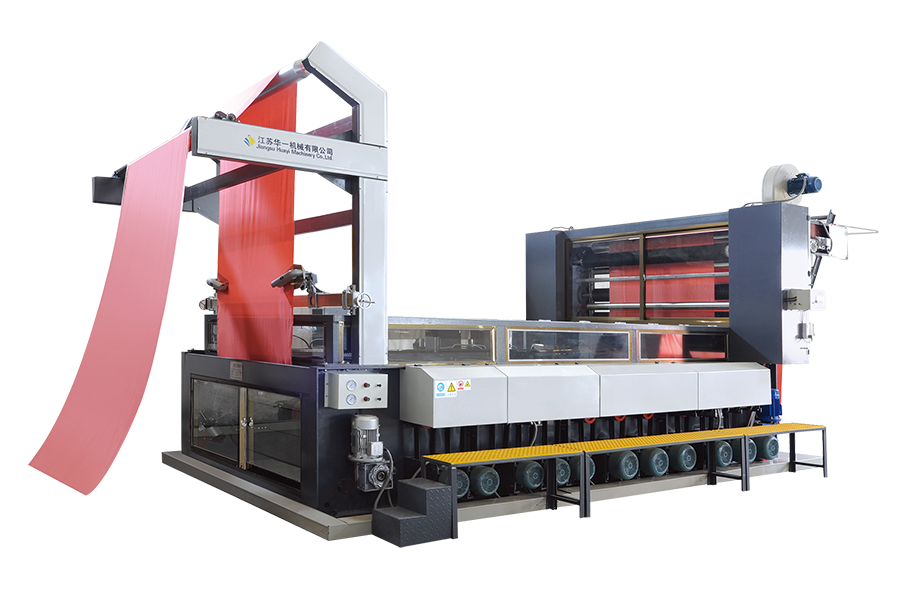 Horizontal Combined Sueding Machine for Heavy FabricsIdeal for denim and canvas, this horizontal model provides clear web visibility and tension control, enabling even sanding across heavy stable materials with easy roller access.View Product →
Planetary Carbon and Ceramic Fiber Sueding Machines
Planetary machines use a cluster of small carbon or ceramic fiber rollers that rotate around the fabric surface. This design reduces tension and spreads abrasion over a wider area, so delicate knitted fabrics do not stretch or distort. Planetary sueding is common for interlock, jersey, microfiber knits, and fleece. It is also used when a soft, compact pile is more important than deep abrasion.
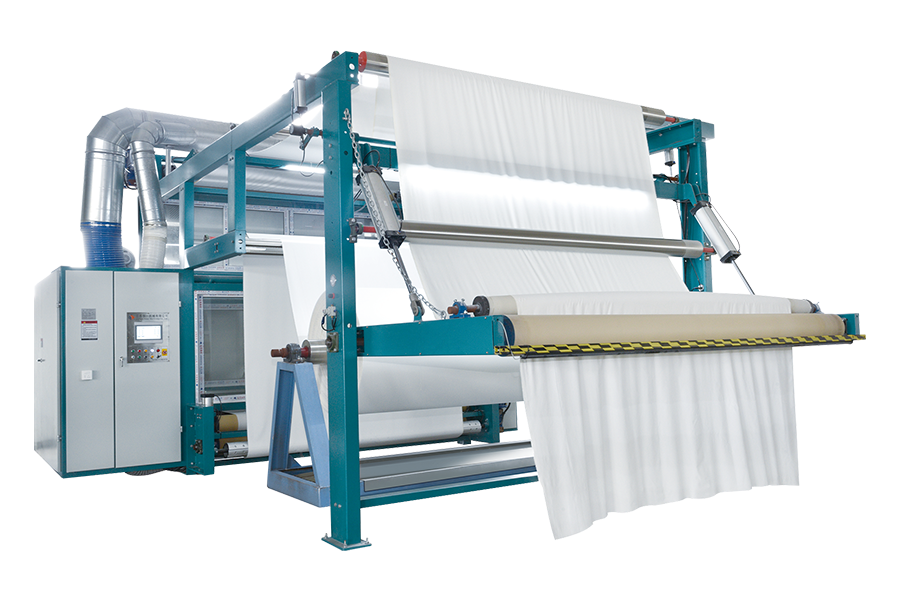 Planetary Carbon Fiber Sueding Machine for Knitted FabricsDesigned for delicate knits, this low-tension planetary machine uses rotating carbon or ceramic rollers to produce a smooth, uniform nap without stretching or distorting the fabric.View Product →
Uses of Sueding Machines by Material
Cotton and Polyester
Cotton and polyester dominate sueding applications. On cotton, sueding produces a soft, sanded surface that is popular for bedding, casual shirts, and brushed trousers. On polyester, the abrasive cuts the fine fibers and creates the peach-skin finish used in sportswear and blouses. A dry-wet polyester sueding machine can process both lightweight and heavy polyester fabrics while keeping the nap even and the surface free of streaks.
Knitted and Woven Fabrics
Knitted fabrics require low tension and light abrasive contact. The roller material must be fine enough to raise a pile without breaking yarns or leaving bald patches. Woven fabrics are more stable, so they can take deeper abrasion and higher roller speeds. This is why vertical combined machines are frequently used for woven cotton and polyester, while planetary machines are reserved for knits.
Denim and Heavy Fabrics
Denim producers use sueding to create a cleaner, more uniform base before garment washing and finishing. A horizontal sueding machine can handle the weight of denim, canvas, and industrial moleskin while producing a smooth, matte surface. This improves the appearance of subsequent finishing steps and gives the fabric a softer initial hand feel.
Synthetic Leather and Microfiber
Synthetic leather, microfiber leather, and microfiber fabrics need a consistent suede-like nap for footwear, upholstery, and automotive interiors. Diamond emery rollers are often used in dry-wet machines because they cut the compact synthetic structure without tearing it. The result is a uniform, velvety surface that mimics natural napped leather.
Specialty Finishing and Related Processes
Sueding is often combined with brushing, polishing, and air softening on the same line. While a sueding machine creates the pile, brushing can align it, and air flow can modify the final bulk and drape. In leather processing, precise surface grinding is a separate step, but the same attention to even feed and dust extraction applies.
Selecting the Right Sueding Machine
Before choosing a model, compare these factors:
- Fabric structure: knitted materials generally need planetary or low-tension designs, while woven materials work well with vertical or horizontal combined machines.
- Fiber content: cotton and polyester respond differently to abrasive material and roller speed.
- Target surface finish: a light peach-skin effect requires a different roll configuration than a deep sanded nap.
- Production volume: line speed and the number of rollers determine how quickly a machine can process fabric.
- Dust extraction: an integrated or external collection system is necessary to keep the machine and factory clean.
- Wet and dry capability: if the production plan includes synthetic leather or specialty polyester, a dry-wet model may be more flexible.
If you are building a complete finishing line, position the sueding machine after drying and before compacting or air softening. It can be combined with brushing and polishing to create layered surface effects. A well-integrated textile finishing machine line gives the plant more control over final quality and reduces handling between process steps.
Final Thoughts
Sueding machines are among the most versatile tools in a textile finishing plant. Their characteristics determine the quality of the nap, the safety of the fabric, and the productivity of the line. Their uses extend across cotton, polyester, knitted and woven textiles, denim, synthetic leather, and microfiber. Choosing the right configuration, abrasive, and dust-extraction setup is the fastest way to get consistent surface quality and to avoid costly trial-and-error on the production floor.