 简体中文
简体中文 English
 عربى
عربى



If you are looking for a brushing machine for textile finishing, the short answer is that a functional industrial unit typically starts at around $15,000 and can exceed $120,000 once width, roller configuration, dry/wet processing, and automation are taken into account. The wide range often surprises buyers, because a “brushing machine” can be anything from a simple single-roller unit for sample work to a high-speed planetary system integrated into a full finishing line. This guide explains what drives the price and how to get a quote that matches your actual production needs.
What Is a Brushing Machine and Why Does Its Price Vary?
In the textile and synthetic-leather industries, a brushing machine raises surface fibres or creates a soft nap by passing fabric over rotating rollers covered with monofilament, carbon fibre, or abrasive elements. It is often confused with a sueding machine, but the two perform different roles. Sueding uses abrasive rollers to produce a peach-skin effect and change the hand feel; brushing uses brush rollers to open the surface, remove loose fibres, or create a directional finish. Because the machine has to handle fabric tension, width, pressure, and speed in a controlled way, its construction standards are very different from a woodworking brush machine. This article focuses on the textile finishing segment, where the price range reflects heavy-duty engineering rather than compact hobby equipment.
One of the reasons prices vary so much is that a brushing machine is rarely a standard product. A mill that processes 2.4-metre-wide denim needs a different frame and roller arrangement than a factory running 1.8-metre knitted polyester. When manufacturers quote a price, they are quoting a solution, not a catalogue item.
Price Ranges by Machine Type and Configuration
Before requesting quotes, it helps to place your expected configuration in a realistic price band. The table below shows typical ranges for common categories of industrial brushing machines used in fabric finishing.
| Machine category | Working width | Typical price range |
|---|---|---|
| Basic single-roller brushing machine | 1600-2000 mm | $15,000-$30,000 |
| Standard planetary or cylinder brushing machine | 1800-2200 mm | $30,000-$55,000 |
| Dry/wet brushing machine with dust extraction | 2000 mm and wider | $50,000-$85,000 |
| High-speed brushing machine for continuous lines | 2200-2600 mm | $80,000-$120,000+ |
These ranges are indicative, not fixed. A custom build with special abrasives, explosion-proof motors, or multi-pass brushing heads can move the number up significantly. Still, the table gives a practical starting point when comparing suppliers.
Key Cost Drivers in a Brushing Machine
When suppliers submit quotes, they are pricing a set of mechanical and electronic decisions. Understanding these drivers helps you avoid paying for features you do not need or selecting a machine that cannot handle your fabric.
Working Width
Wider machines require larger frames, more rollers, and more power. Moving from 1800 mm to 2600 mm working width often adds 20 to 35 percent to the price of the same basic design.
Roller Type and Brushing Material
Brushing rollers can be fitted with nylon, carbon fibre, abrasive emery, or a combination. Carbon-fibre rollers cost more than nylon but last longer on difficult fabrics. Quick-change roller systems that allow you to switch between brushing and sueding heads also add to the base price.
Dry vs Wet Capability
Wet brushing machines use corrosion-resistant stainless steel, sealed bearings, and additional drying or squeezing compartments. This construction can increase the cost by tens of thousands of dollars compared with a dry-only machine.
Tension, Speed, and Control
Accurate tension sensors, variable-frequency drives, and an operator interface for saving recipes are now expected on industrial machines. The sophistication of the control system, including data logging and networking for a smart factory, directly affects the price.
Dust Extraction and Safety
Brushing creates fibre dust that must be captured for both workplace safety and product quality. Integrated dust-extraction hoods, spark-resistant components, and automatic filter cleaning are added modules that increase the total cost.
Build Quality and After-Sales Support
Welded steel frames, precision-balanced rollers, and a proper paint system cost more to produce, but they reduce vibration and maintenance. A lower quote from an unknown supplier may not include the same level of spare-parts availability, training, or response time. These services have real value.
Beyond the Purchase Price: Installation, Tooling, and Maintenance
Your budget should not stop at the purchase price. For an industrial brushing machine, plan for the following cost layers:
- Shipping and installation: a heavy 2 to 3 metre wide machine requires customs handling, rigging, and alignment by qualified technicians.
- Accessories and tooling: spare rollers, brush strips, and abrasive consumables need to be replaced regularly.
- Commissioning and training: on-site training for operators and technicians ensures the machine is used correctly from the first day.
- Downtime risk: a cheaper machine that jams frequently can cost more in lost production than the difference in purchase price.
It is therefore wise to ask suppliers for a total cost estimate, including recommended spare parts for two years, before comparing offers.
How to Get a Meaningful Quote
The fastest way to get an accurate price is to give the manufacturer your complete process parameters. At minimum, include:
- Fabric type, such as woven, knitted, or synthetic leather
- Fabric width, weight, and typical run length
- Required brushing effect and line speed
- Whether you need dry, wet, or both processes
- Connection points to your existing dust collection or finishing line
Ask the supplier to run a sample trial with your own fabric. This reveals how the machine handles real tension, dirt, and fibre behaviour. For more background, a complete guide to brushing and sueding machines can help you compare specific roller types and process choices before you negotiate price.
Why the Cheapest Machine Is Usually the Most Expensive
In brushing equipment, low initial cost often hides compromises in roller balance, frame rigidity, and control accuracy. A slightly flexible frame may pass a factory inspection, but on a long production run it can create uneven brushing across the width. Similarly, a machine without proper dust control will require frequent cleaning and may allow short fibres to contaminate the next run.
Rather than searching for the absolute lowest number, compare the cost per square metre of treated fabric over the machine's life. A compact but well-built machine with low maintenance and consistent output will pay back faster than a machine with a lower purchase price and higher downtime. If you have a detailed comparison, the “cheapest” quote often loses.
If you are evaluating brushing machine options, you do not have to start from scratch. The broader category of textile finishing machinery shows how a brushing unit fits into a full finishing room, and a short discussion with a manufacturer can turn those parameters into a concrete quotation.
For production teams that need a fast and dependable brushing step, the high-speed brushing machine VX7 from HUAYI is an example of the performance level you can expect in a modern industrial unit. HUAYI has supplied textile finishing equipment for more than two decades, and its range covers different fabrics and budgets. Get in touch with your fabric details to receive a quote that reflects the actual machine you need.
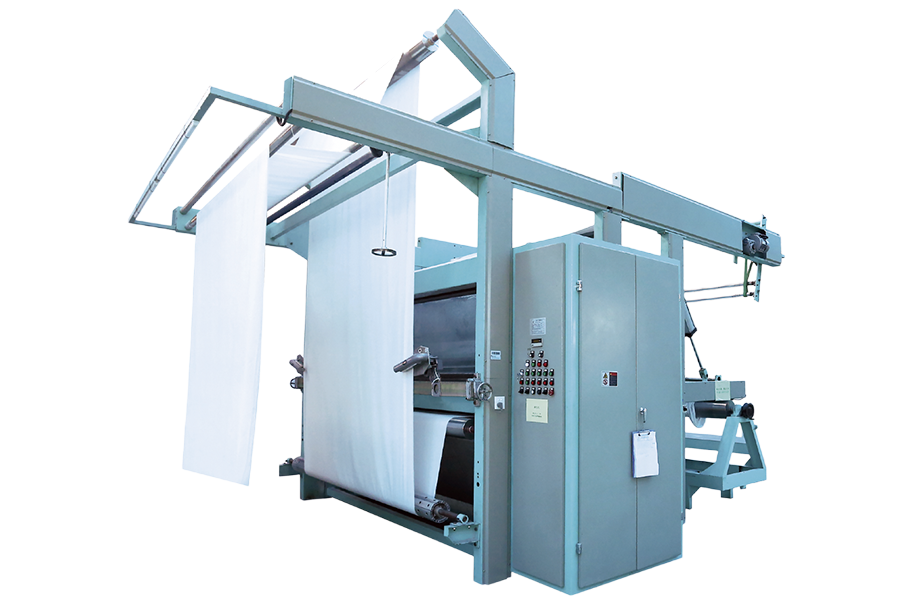 High-Speed Brushing Machine VX7 by HUAYIThis compact brushing machine delivers high-speed operation with seven rollers for efficient fabric finishing. Its small footprint suits space-limited plants while ensuring reliable cleaning and consistent fabric quality in production.View Product →